
Imagine enjoying a long, relaxing shower without worrying about running out of hot water. With a tankless water heater, that convenience can become part of your everyday routine.
Unlike conventional systems that store heated water in a tank, tankless water heaters warm water as you need it. They offer homeowners several appealing benefits, from improved energy efficiency to a space-saving design.
At Balfour Plumbing, we help Utah homeowners find water heating solutions that fit their needs. If you’re considering an upgrade, here’s why a tankless system may be worth the investment.
Why Choose a Tankless Water Heater?
Tankless water heaters offer several advantages, including continuous hot water, energy savings, and a compact design. They provide a modern approach to water heating that can make your home more comfortable and efficient.
Unlike traditional water heaters, tankless models don’t keep a large supply of water heated throughout the day. Instead, they use a gas burner or electric heating element to warm water as it flows through the system.
When you turn on a hot water faucet, the heater starts working. When you turn it off, the heating process stops.
Tankless water heaters can also last longer than conventional storage models when properly maintained. That makes them an appealing option for homeowners thinking about their long-term needs.
Can You Enjoy Endless Hot Water?
A properly sized tankless water heater can provide a continuous supply of hot water without the usual wait for a storage tank to recover. This is especially convenient for households with busy mornings or several family members.
Think about a typical morning. One person takes a shower, another gets ready for work, and someone else starts washing dishes.
With a traditional water heater, repeated hot water use can eventually empty the stored supply. Once that happens, everyone may need to wait for more water to heat.
Tankless systems work differently. Because they heat water on demand, they can continue producing hot water as long as the demand stays within the unit’s capacity.
That means you can enjoy longer showers, fill a bathtub, or complete household chores without worrying about using up a stored supply.
Tankless water heaters still have limits on how much hot water they can deliver at once. So choosing the right size helps ensure the system can keep up with your family’s needs.
How Much Energy Can You Save?
Tankless water heaters can reduce energy use because they heat water only when needed. This helps eliminate much of the standby energy loss associated with keeping water hot inside a storage tank.
Tankless water heaters can be 34% more energy-efficient than conventional storage water heaters in homes using 41 gallons or less of hot water daily.
Even households that use more hot water may benefit from improved efficiency. The actual savings depend on the system, energy source, and your family’s water usage.
Over time, reduced energy consumption may translate into lower utility bills. This can make tankless water heaters particularly attractive for homeowners planning to stay in their homes for several years.
Can Tankless Heaters Save Space?
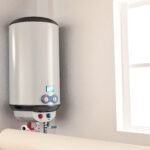
Tankless water heaters take up significantly less room than traditional storage water heaters. Many models mount directly to a wall, making them a practical choice for homeowners who want to better use available space.
A conventional water heater typically requires enough floor space for a large storage tank. Depending on your home’s layout, that equipment may occupy part of a utility room, basement, or storage area.
Tankless units have a much smaller footprint. This compact design can free up space for shelves, household supplies, or other practical uses. It may also make equipment placement more flexible, depending on venting and utility requirements.
You don’t need a small home to appreciate the difference. Even in larger houses, having more usable space can make storage and organization easier.
For homeowners remodeling a utility area or planning improvements, a wall-mounted tankless water heater may be an especially appealing option.
Do Tankless Water Heaters Last Longer?
Tankless water heaters often have a longer expected service life than traditional storage models. With proper installation and maintenance, they can provide dependable hot water for many years.
Tankless water heaters generally have a life expectancy of around 20 years. Conventional storage water heaters typically last around 10–15 years.
Actual lifespan depends on water quality, usage, maintenance, and equipment condition.
Many tankless models also have replaceable components. This can make certain repairs possible without replacing the entire system.
A longer service life is worth considering when comparing the overall value of different water heaters. While tankless systems usually cost more upfront, their durability may help balance that investment over time.
Regular professional maintenance plays an important role in protecting that value.
Are Tankless Water Heaters Good for Families?
Every household uses hot water differently. A couple living in a smaller home may have different needs than a family with multiple bathrooms, frequent laundry loads, and busy morning routines.
Tankless water heaters are rated by flow rate, measured in gallons per minute (GPM). This helps determine how much hot water a system can deliver at once.
Utah’s colder winter temperatures also play a role. When incoming water is colder, the heater must work harder to reach the desired temperature, which can reduce its available flow rate.
A professional plumber can evaluate your home’s fixtures, typical usage, and incoming water temperature to recommend a system that meets your family’s needs.
Will a Tankless Heater Save Money?
A tankless water heater generally requires a higher initial investment than a conventional storage model. However, the purchase price doesn’t tell the whole story.
Homeowners should also consider installation requirements, ongoing maintenance, energy costs, and expected service life. Some homes can accommodate tankless equipment with relatively straightforward changes, while others may require updates to gas lines, venting, or electrical systems.
The potential savings depend on your household’s hot water usage, utility rates, and the efficiency of the equipment you choose. Although lower operating costs don’t guarantee that every system will pay for itself, they can contribute to its overall long-term value.
Getting a professional installation estimate can help you understand the upfront investment and decide which system best fits your home and budget.
What Maintenance Do Tankless Heaters Need?
Tankless water heaters need routine maintenance to maintain efficiency, performance, and service life. Professional care helps prevent mineral buildup and keeps important components working properly.
As water moves through the system, minerals can collect inside the heating components. Over time, these deposits may affect performance.
This is especially worth considering in Utah, where some communities have mineral-rich water.
Maintenance may include flushing the system, cleaning filters, and inspecting connections. The recommended schedule depends on the equipment, water quality, and manufacturer’s instructions.
Following the manufacturer’s recommended maintenance schedule helps protect your investment and keep your tankless water heater performing reliably.
Ready to Explore Tankless Water Heating?
A tankless water heater can bring lasting comfort, convenience, and efficiency to your home. With the right system, you can enjoy continuous hot water and a water heating setup designed around your household’s needs.
At Balfour Plumbing, we’ve helped Utah homeowners with their plumbing needs since 1941. Our experienced team understands the importance of reliable hot water and practical solutions that fit your home. Whether you’re replacing an older water heater or exploring an upgrade, we’re here to help you understand your options.
Contact Balfour Plumbing to learn more about tankless water heaters and find out whether one could be a great addition to your home.