
Hard water can make everyday tasks more frustrating than they should be. You might notice spots on your dishes, dry skin after a shower, or a filmy residue left on faucets and appliances. If you’ve ever wondered why these problems happen—or how a water softener can help—this guide will walk you through the core parts that make these systems work so well.
Resin Beads
The heart of every water softener is the resin bed, filled with tiny resin beads. These beads do the heavy lifting when removing hardness minerals like calcium and magnesium from your water. When hard water flows through the tank, the resin beads attract and hold onto these minerals using a process called ion exchange. In exchange, they release harmless sodium ions into the water, making it “soft.”
About 85% of homes in the United States have hard water, making this process crucial for many families. Without resin beads, a water softener simply can’t do its job.
Brine Tank
Next to the main tank, you’ll find the brine tank. This component stores a mixture of salt and water, called brine. The brine tank’s job is to supply the salty solution needed to clean and recharge the resin beads during a process called regeneration.
A well-maintained brine tank ensures your water softener keeps working efficiently. If the brine tank runs low on salt or water, the resin beads won’t get properly cleaned, and hard water will start to sneak back into your home. Regularly checking the brine tank is a simple way to keep your system running smoothly.
Salt
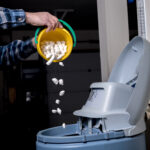
Salt is more than just an accessory—it’s a vital ingredient for a water softener’s operation. Most systems use sodium chloride (table salt) or sometimes potassium chloride. The salt dissolves in the brine tank, creating the brine solution that flushes out the hardness minerals from the resin beads.
Using the right type and amount of salt is important. If you use low-quality salt, it can cause a buildup called “bridging,” which blocks the brine from reaching the resin. High-purity salt is recommended for the best results.
If you ever notice your softener isn’t working as well as it used to, checking the salt level is a great first step.
Regeneration Cycle
Even the hardest-working resin beads need a break. That’s where the regeneration cycle comes in. This automatic process usually happens at night, when water use is low. During regeneration, the water softener flushes the resin beads with the salty brine solution from the brine tank. This process removes the trapped calcium and magnesium ions and replaces them with fresh sodium ions so that the beads are ready to soften more water.
Modern water softeners can be set to regenerate based on a timer or by measuring how much water you use. This helps save salt and water, making your system more efficient and eco-friendly.
Daily Life With Soft Water
When all these components work together, you’ll notice everyday improvements. Soft water helps soaps and shampoos lather better, leaves your skin and hair feeling smoother, and extends the life of your appliances by reducing mineral buildup. Your laundry comes out cleaner, your dishes sparkle, and your plumbing stays in better shape for years to come.
The Path to Worry-Free Water
Understanding the essential parts of your water softener helps you get the most out of your system. Each component plays a unique role in delivering soft, reliable water to your home.
If you’re ready to enjoy all the benefits of soft water or need help with your current system, contact Balfour Plumbing today. Our team is here to answer your questions, provide expert service, and help you make the best choice for your home.